Even before the coronavirus hit the Arab world, rampant misinformation had begun to spread online.
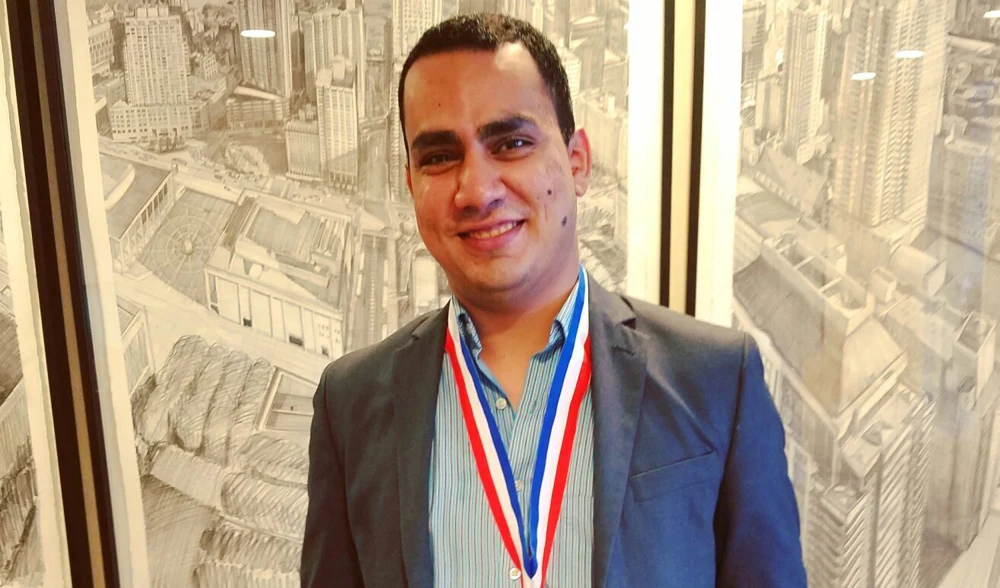
Faisal Al Mutar was at his home in New York City when he saw the first hints of what would become a tidal wave of Arabic-language coronavirus conspiracy content spreading online.
It was mid-February and while the virus was starting to appear in Iran, there was yet to be a serious outbreak in an Arab country — the rampant misinformation had arrived in the Arab world before the virus.
Al Mutar, 28, watched videos suggesting the pandemic was part of a biological war between the United States and China. Homespun articles claimed that eating garlic was enough to ward off the virus. Religious authorities argued the disease was a punishment for China’s treatment of the Uighur Muslims.
“The most dangerous misinformation I saw is the claim that because we are Muslims, the virus is not going to affect us,” he said.
