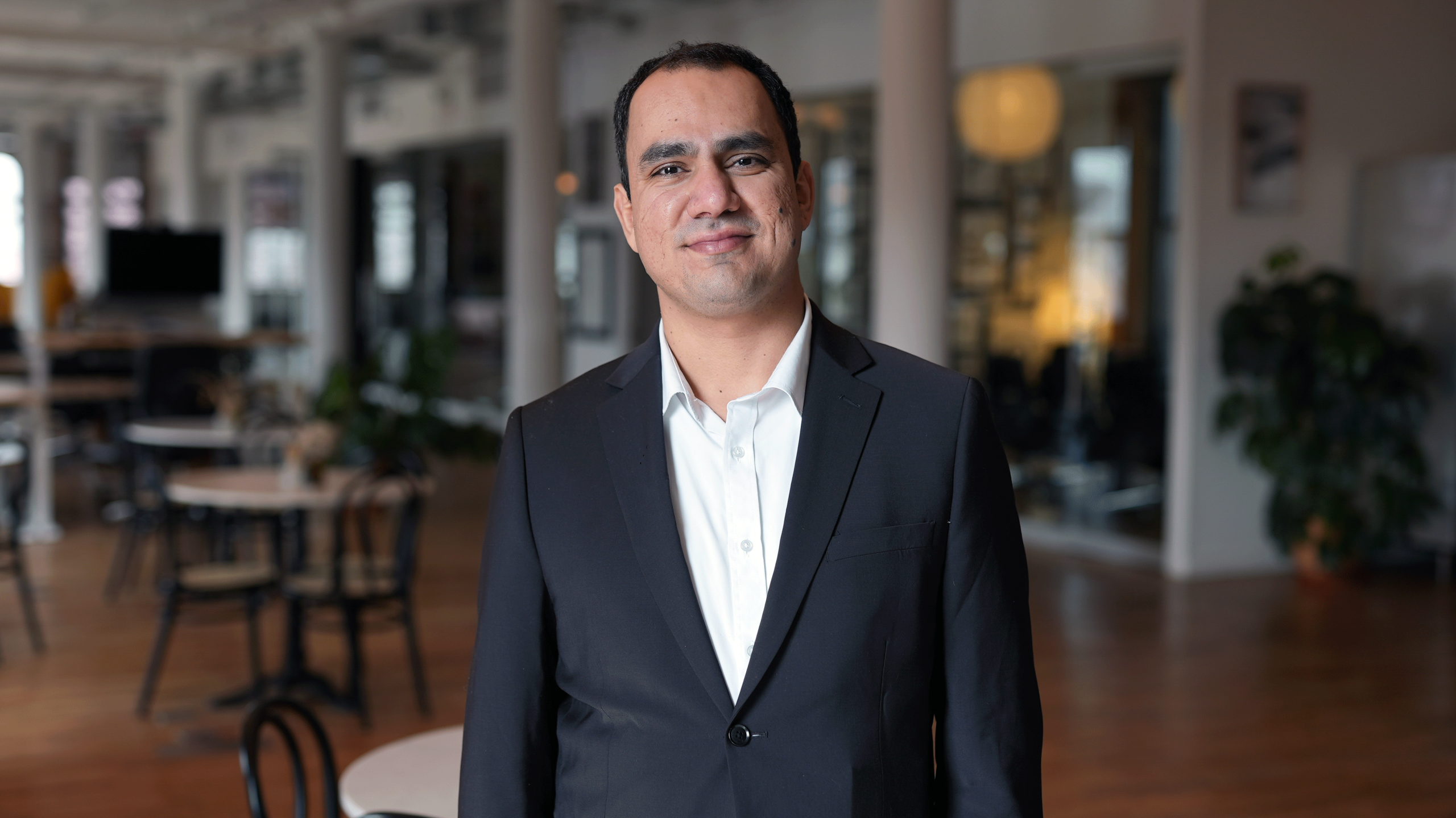
On the 25th anniversary of September 11, Faisal wrote for Middle East Uncovered about a question that has shaped much of IBB’s work: What happens after the immediate threat is gone, and who gets the support to build what comes next?
Below is an excerpt from his essay.
That is why the people working every day to make their communities more peaceful and prosperous deserve far more of our attention and support.
That means investing in educators who give young people access to knowledge their governments or religious authorities would deny them. It means standing behind independent journalists willing to challenge propaganda, and entrepreneurs creating livelihoods that cross borders. It means giving writers, translators, and local organizations the resources to defend individual freedom and make the case for coexistence in their own communities and their own languages.
Not every scholarship will steer someone away from extremism, and not every job will prevent violence. But when more people have something to lose and can build a future for their families, extremist groups have fewer grievances and fewer desperate circumstances to exploit. Over time, that makes peaceful societies easier to build and harder to tear apart.
For Americans, I’m not suggesting blind charity toward a troubled region. A more peaceful Middle East is good for the people who live there, and it is good for Americans, too.
Twenty-five years ago, I was just a kid in Iraq. I had no idea that the attacks in New York and Washington would help set in motion events that would impact every aspect of my life. I grew up under Saddam Hussein’s dictatorship and through the invasion that followed. After that came years of violence. Al-Qaeda and other militias moved into neighborhoods like mine. People I loved were killed. I eventually left Iraq and came to the United States as a refugee.
I have spent my entire adult life trying to make sure the next generation does not grow up the same way.
That is why I care so much about education and economic opportunity. It is also why I care about giving people access to ideas that extremists and authoritarian governments would rather keep from them. I learned early that military force can remove a threat, but it cannot build the society that comes afterward.
I have spent my entire adult life trying to make sure the next generation does not grow up the same way.
Twenty-five years after September 11, we owe the victims more than remembrance. We also owe ourselves an honest accounting of what followed, and what our responsibility is moving forward.
Military force was sometimes necessary, and some of it worked. But defeating an enemy and making it harder for the next one to take its place are different jobs. We invested enormously in the first… and never took the second seriously enough.
I have spent most of my life watching what happens when that second part is neglected. I do not want another generation of kids in Iraq or America growing up thinking war is simply the natural order of things. If the next twenty-five years are going to be better, far more attention has to go to the people already building something else, even when the odds are stacked against them.